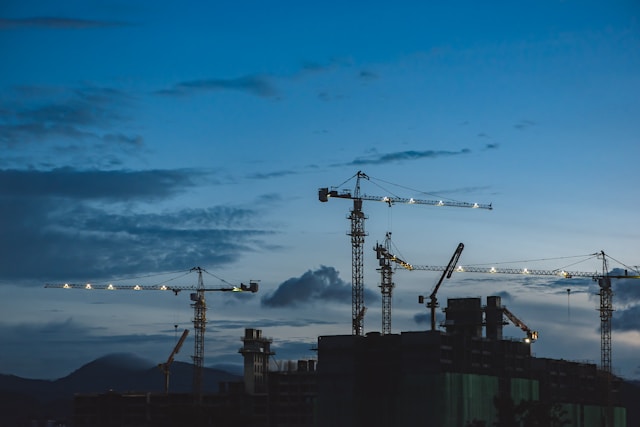
Construction is a powerful engine of economic growth that touches every sector of our communities, from the roads we drive and the schools we attend to the businesses that create jobs and the homes where families thrive. In Memphis and throughout the Mid-South region, construction is building opportunity, prosperity, and long-term economic development.
At the national level, the scale of the construction industry underscores its economic weight. In 2024, total annual construction spending and gross output reached $2.2 trillion, and the industry accounted for 4.5% of U.S. GDP. The sector also supports millions of jobs, making it one of the largest employers in the nation. Those numbers reveal how construction fuels livelihoods, drives consumer spending, and stabilizes local economies.
Locally, construction creates immediate and long-lasting impact in communities like Memphis. Every infrastructure upgrade, commercial development, and residential neighborhood built generates economic activity that reverberates across the region. Construction projects require a wide range of services and materials, supporting architects, engineers, electricians, plumbers, suppliers, and countless other specialty trades.
Jobs that support families and communities
Whether someone enters the trades through an apprenticeship or transitions from another field, the industry offers pathways to fulfilling, well-paying careers where seven out of 10 do not require a four-year degree. With an aging workforce and growing demand for new workers, communities that invest in construction talent are also investing in their own resilience.
Construction employment also drives secondary economic activity as workers spend earnings on goods and services in their local communities — boosting retail, hospitality, transportation, and more. A robust construction workforce strengthens the broader labor market and enhances the overall economic ecosystem.
Infrastructure as economic backbone
Critical investments in infrastructure are another cornerstone of economic development. Roads, bridges, utilities, schools, and public facilities are essential for community function and quality of life. Improved transportation corridors make commerce more efficient, upgraded utilities allow businesses to operate without costly interruptions, and modernized schools attract families and sustain growth. Each of these projects requires skilled labor and spending that circulates through the local economy.
In a region like Memphis, strategic infrastructure investments can help attract new industries and support existing ones. Efficient freight and logistics networks, reliable energy systems, and updated facilities are key components that companies consider when expanding or relocating. Construction is the mechanism through which these strategic assets become reality, and through which economic opportunity is unlocked.
Housing and livability
Another vital dimension of construction’s economic role is housing. In 2025, the U.S. saw approximately 1.5 million new homes built, each one contributing to economic mobility, community stability, and wealth creation for families. Housing availability and affordability are core drivers of regional growth. As more homes are built, workers can live closer to where they work, reducing commute times and increasing overall quality of life. Strong housing markets also support local tax bases and fund public services.
When a city like Memphis supports sustainable residential and mixed-use development, it enhances its appeal for new residents and employers. A thriving housing market attracts talent, supports consumer spending, and reinforces the city’s economic vitality.
What this means for the region
For business leaders and policy makers in West Tennessee, recognizing the economic multiplier effect of construction is essential. Supporting workforce development, infrastructure investment, and policies that foster a competitive and fair business environment will ensure that construction continues to be a driver of prosperity. Programs that facilitate apprenticeships, safety training, and industry outreach help sustain a pipeline of skilled workers who are ready to meet growth demands.
Ultimately, construction strengthens economies, elevates communities, and enables futures. In Memphis and beyond, investing in construction is investing in sustained economic development.